Cure Your Fungal Nails.
The ultimate Guide to Fungal Nails
What Really Causes Fungal Nails
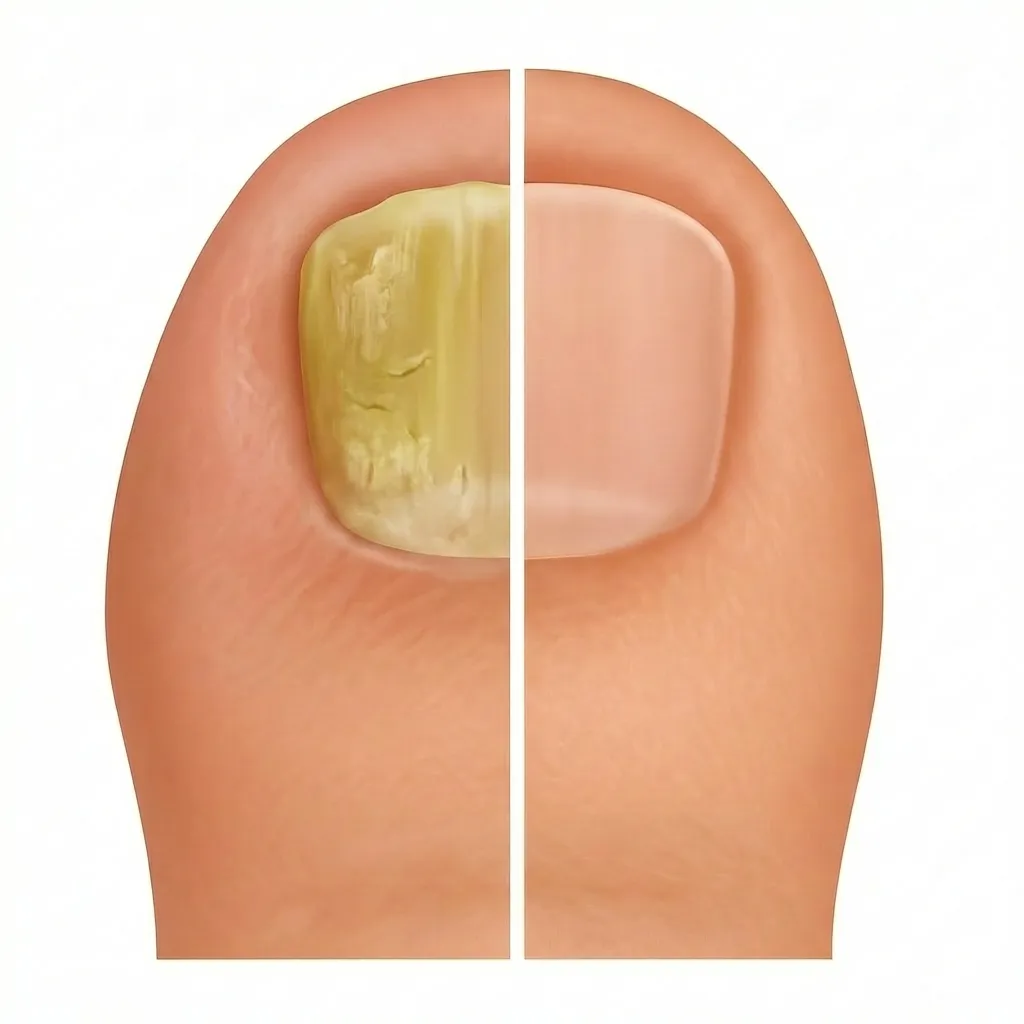
Onychomycosis (fungal nail infection) occurs when dermatophyte fungi invade the nail unit, typically through micro-trauma or prolonged moisture. Several everyday factors significantly increase your risk.

Moisture & Sweaty Feet
Fungus thrives in warm, damp environments like shoes, gyms, and sweaty socks. If your feet stay moist for long periods, fungus can easily grow under the nail.

Nail Trauma or Damage
Even small knocks to the nail can create tiny gaps where fungus enters and settles under the nail plate.

Using Public Showers & Pools
Communal areas such as swimming pools, gyms and hotel bathrooms are common places to pick up fungal infections.

Weakened Immune System
Conditions like diabetes, poor circulation, stress, or certain medications can reduce your body’s ability to fight fungal infections.
Why Choose us?
It is time to take back your comfort, confidence and freedom from Fungal Nail

Available 24/7.
Receive expert care at any hour with flexible appointments and immediate treatment for lasting relief.

QUICK.
Experience a simple procedure completed in under an hour, providing fast relief and lasting results.

Pain Free.
You may feel mild discomfort from the anaesthetic, but the rest of the procedure is completely pain free and comfortable.

AFFORDABLE.
An affordable price to pay for lasting comfort, confidence and the freedom to walk pain free again.

What to Expect During Your Surgery
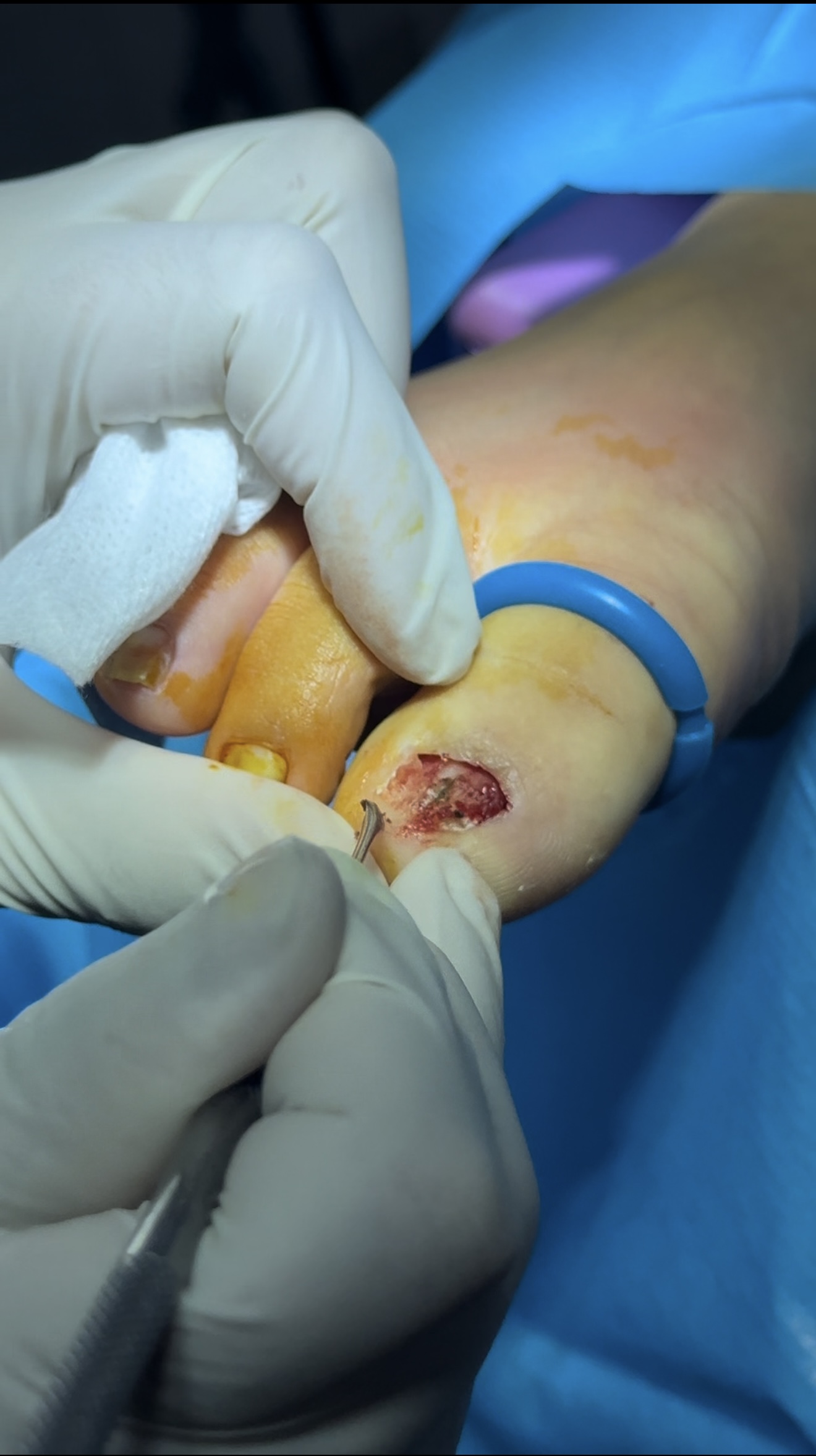
Fungal nail surgery involves manually removing the infected nail and thoroughly clearing the nail bed of all visible fungal material. There is approximately a 50% chance that the nail can grow back without fungus. However, we provide a comprehensive aftercare programme designed to give you the best possible chance of long-term success, and we are proud of the positive outcomes we achieve with our patients.
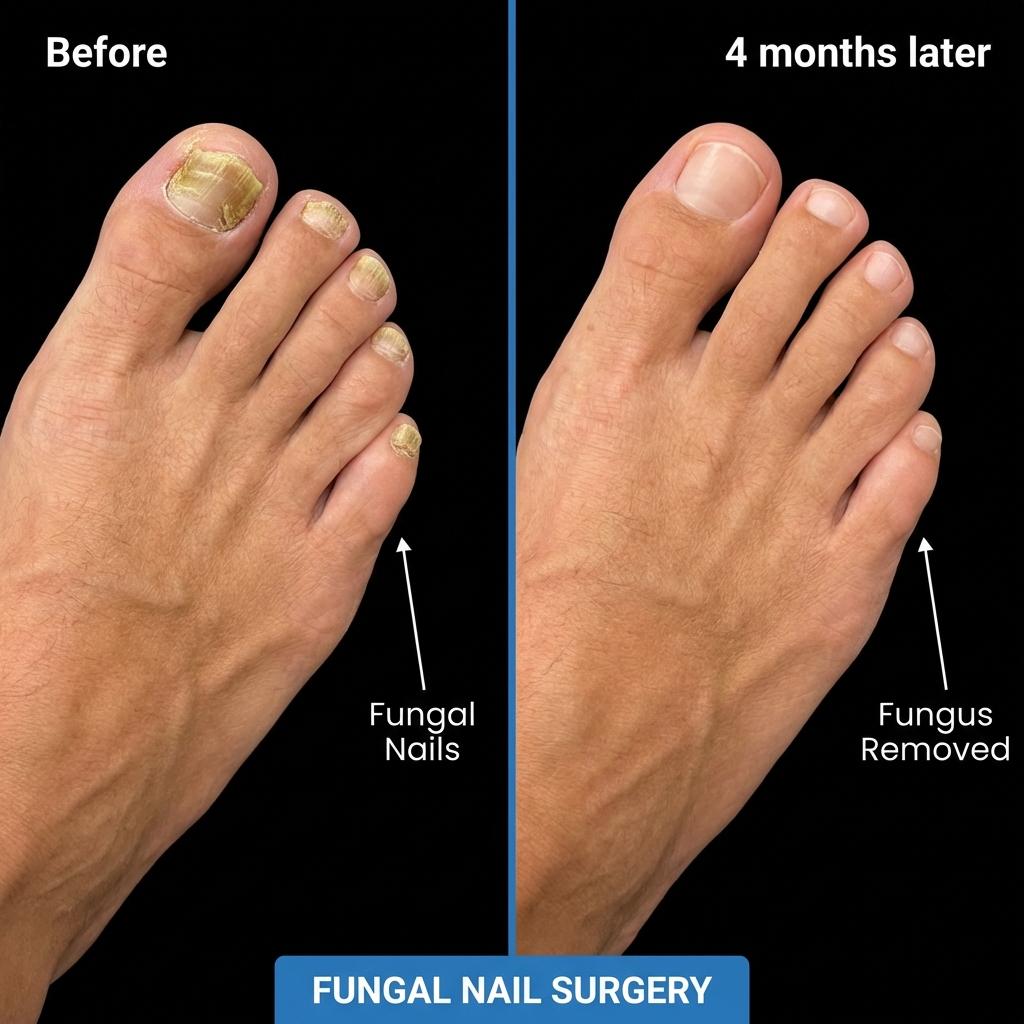
Nail Removal – Once the toe is numb, the entire fungal nail is carefully removed.
Manual Nail Bed Cleaning– The nail bed is then manually cleaned and scraped to remove all visible fungal material and infected tissue.
Fungal Removal– The area is thoroughly inspected and treated to ensure no remaining fungal debris is left behind.
Aftercare & Dressing –The toe is carefully dressed with a sterile dressing and you will be provided with detailed aftercare instructions.
Antifungal Aftercare– At around 3 weeks, once the wound has healed, you will be instructed to begin applying a medical-grade antifungal spray directly to the nail bed to reduce the risk of reinfection.
Quick and painfree– The entire procedure takes less than 30 minutes, and most patients can walk out comfortably afterwards.
DISCOVER THE DIFFERENCE
Traditional Healthcare vs. UK Nail Surgeon
See how our fast, accessible service offers same-day treatment and quicker recovery compared to traditional healthcare.

US
Same Day Surgery
Appointments Available 24/7
Advanced Techniques and Products
Personal Aftercare Kit Provided

THEM
Long Waiting Times
Unable to Get an Appointment
Refusing Treatment Due to Fungal Nails Being a "Cosmetic Issue"
Poor Follow Up Care
How It Works
Easy Three Step Process

Cure Your Nail Pain
Get your surgery done by our specialists and enjoy life without the pain and discomfort of ingrown nails.

Have A Free Consultation Call
Book a consultation call with one of our podiatrists to discuss and plan the best treatment for you


Fill Out The Form
Fill out the form and send some pictures of your ingrown toenail so that one of our Podiatrists can provide you with a personal plan on your consultation call
Fill Out The Form
Fill out the form and send some pictures of your ingrown toenail so that one of our surgeons can provide you with a personal plan on your consultation call
Have A Free Consultation Call
Book a consultation call with one of our nail surgeons to discuss and plan the best treatment for you
Cure Your Nail Pain
Get your surgery done by our specialists and enjoy life without the pain and discomfort of ingrown nails.
What our Patients say about us
Discover the experiences of our satisfied patients! Read their testimonials to learn how our services have made a positive impact on
their lives

“Quick booking and same day treatment. The procedure took under 30 minutes and I felt immediate relief. The at home care kit made recovery easy.”
Emma W.
Birmingham
“I was nervous at first but the podiatrist explained everything. The anaesthetic was a small sting then the procedure was pain free. Excellent care from start to finish.”
Mark T.
Manchester
“Great experience. Professional team, clean clinic and helpful follow up. I am now walking comfortably and confident again.
Sarah D.
London
Affordable and efficient. I got a consultation call and treatment within 24 hours. Recovery was straightforward with the dressing kit provided.”
David S.
Newcastle
“Very reassuring and skilled team. The consultation felt personal and the aftercare instructions were clear. Highly recommended for anyone with persistent nail pain.”
Olivia G.
Wales
Pricing Plans
Treatment Options To Suit Every Need

£590*
Free Consultation with a Qualified Podiatrist
Non-invasive Laser Treatment (No Surgery Required)
No Anaesthetic and No Downtime
Targets Fungus at the Nail Bed
Personalised Treatment Plan and Aftercare Advice
£390*
Free Consultation with a Qualified Podiatrist
Same-day or Next-day Surgery Appointments Mon - Fri
Local Anaesthetic for a Pain-free Experience
Personalised Treatment Plan and Full Aftercare Kit
Follow-up Check (Virtual or In-Person)
Frequently Asked Questions
Clear answers to help you make confident decisions.
Is Nail Surgery Safe?
Yes. Nail surgery is a safe, routine procedure carried out under local anaesthetic by experienced clinicians in a sterile environment.
What Conditions Does Nail Surgery Treat?
Nail surgery is most commonly used to treat ingrown toenails (onychocryptosis), a painful condition where the edge of the nail grows into the surrounding skin, often causing redness, swelling, and infection. However, it can also address several other nail and toe-related problems.
The main conditions treated include:
Ingrown toenails: The most frequent reason for nail surgery. This occurs when the nail plate presses into the skin, leading to inflammation, pain, and sometimes pus or infection. Surgery removes the problematic section of the nail and prevents it from growing back in the same area.
Thickened or deformed nails: In cases where nails have become thick, hard, or distorted due to trauma, fungal infection, or underlying conditions, surgical removal can relieve discomfort and allow a new, healthy nail to grow.
Recurring infections: When repeated bouts of infection occur around the toenail due to trapped bacteria or ingrown edges, surgical treatment can resolve the underlying cause and prevent future issues.
Damaged or detached nails: Nails that have been severely injured or repeatedly damaged may be partially or fully removed to allow healthy regrowth.
Nail conditions caused by underlying health issues: Some chronic conditions, such as diabetes or psoriasis, can cause ongoing nail problems that require minor surgical intervention to maintain comfort and prevent complications.
Nail surgery provides a solution for recurring pain or infection that does not respond to conservative treatments such as trimming, soaking, or antibiotics.
At UK Nail Surgeon, each procedure is carried out under local anaesthetic for comfort, and tailored to the individual’s nail shape, health, and lifestyle needs.
What Does the Procedure Involve?
What does the procedure involve?
Nail surgery is a simple and precise procedure designed to relieve pain, treat infection, and prevent the nail from growing back into the skin. It is carried out under local anaesthetic, which completely numbs the toe so that you remain comfortable throughout.
Before the procedure, you can carry on your day as normal — you’ll be able to eat, drink, and take regular medication unless advised otherwise. Once you arrive, your podiatrist will clean and prepare the area before carefully injecting a small amount of anaesthetic around the base of the toe. This causes only mild, short-lasting discomfort and quickly takes effect.
When the toe is fully numb, the procedure begins under sterile conditions to ensure maximum safety and minimise infection risk. An antiseptic solution is applied to cleanse the area, and the problematic section (or sections) of the nail is gently removed.
To prevent the ingrown edge from returning, a chemical solution (phenol) is usually applied to the nail bed. This destroys the small section of nail-growing cells responsible for the ingrown portion, making the result permanent and reducing the likelihood of recurrence.
For patients who prefer not to have the phenol treatment, it is possible to have the procedure without this step. However, it’s important to note that without phenolisation, there is a small chance the ingrown edge of the nail may regrow over time.
Once the treatment is complete, the toe is thoroughly cleaned again, a sterile dressing is applied, and you’ll be given an at-home care kit with dressings, antiseptic, and step-by-step recovery instructions.
The entire procedure typically takes 30 to 40 minutes. Afterward, you’ll be able to walk out of the clinic, although it’s best to rest your foot for the remainder of the day to allow the anaesthetic to wear off and to reduce swelling.
Most patients find the recovery period smooth and straightforward, with minimal discomfort after the first day.
Will I Need Time off From Work?
Will I need time off from work?
Most patients find that recovery after nail surgery is quick and manageable, but the exact amount of time off work depends on the type of job you do and the extent of the procedure.
After surgery, your toe will be dressed and protected. We generally recommend resting with your foot elevated for the first 24 to 48 hours to minimise swelling and promote faster healing. During this time, it is best to avoid standing or walking for long periods, especially if your job involves being on your feet.
If your work is sedentary, such as an office or desk-based role, many patients are able to return to work within three to five days. For jobs that involve prolonged standing, walking, or wearing safety footwear, you may need to take up to a week off to allow the toe to settle and reduce the risk of discomfort or reopening the wound.
The initial healing process typically takes two to four weeks, during which time you’ll need to keep the dressing clean and dry, following the aftercare instructions provided in your at-home care kit. The area will continue to improve over several more weeks as the skin fully regenerates.
It’s important to note that most patients can walk comfortably immediately after surgery, though the first day or two is best spent resting. Driving may also be restricted for a short period depending on which toe was treated and your individual comfort level.
At UK Nail Surgeon, you’ll receive full aftercare guidance and support to ensure a smooth recovery — including a follow-up check or call if needed.
What if I Have More Than One Fungal Toenail?
If you have more than one affected toenail, additional procedures can be performed during the same appointment. The cost will increase slightly to reflect the extra treatment and materials required.
For multiple toenails treated during normal working hours, the total price is £790, and for out-of-hours appointments, it’s £980.
This ensures each toe receives the same level of care, precision, and sterile procedure needed for the best long-term results.
Will this Guarantee my Fungal Toenails Will Be Gone?
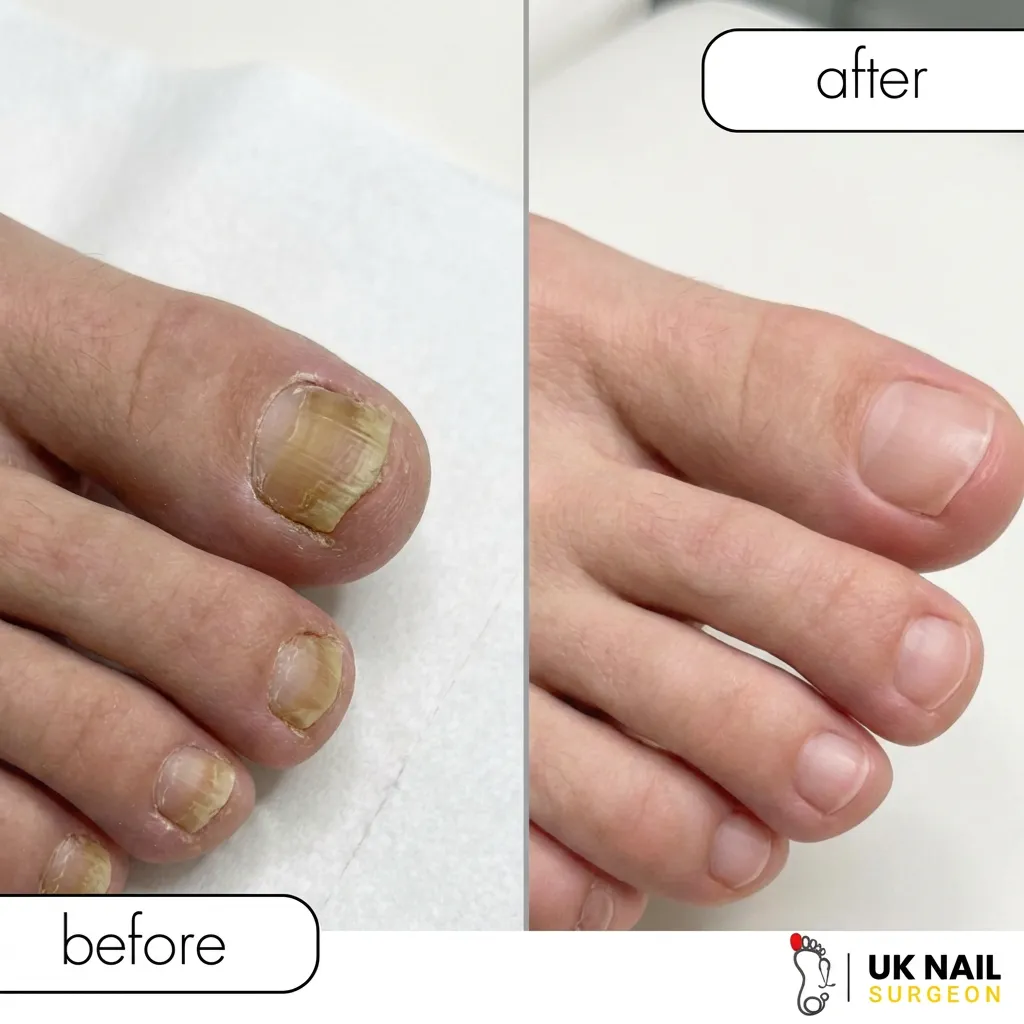
While no treatment can promise a 100% guarantee, fungal nail surgery has an estimated success rate of around 50%, meaning that in approximately half of cases the nail grows back without recurring fungal infection.
Following surgery, we provide a comprehensive aftercare programme designed to significantly improve long-term outcomes. This includes detailed hygiene guidance and the use of medical-grade antifungal treatments applied directly to the nail bed once healing has occurred.
If aftercare is followed correctly, many patients achieve healthy regrowth and long-term control of the infection. However, due to the nature of fungal organisms, there is always a risk of reinfection as the nail grows back.
In cases where fungal infection does return, further treatment options may be considered, such as repeat surgical removal or alternative antifungal therapies, depending on the severity and extent of the recurrence.
At UK Nail Surgeon, your clinician will discuss all treatment options with you in detail, ensuring the approach chosen is appropriate for your condition and gives you the best possible chance of long-term success.
What Aftercare is Needed Following Nail Surgery?
After your nail surgery, you’ll receive clear written instructions and an at-home aftercare pack containing dressings, antiseptic, and everything you need to care for your toe during healing.
You’ll be advised to keep the dressing clean and dry for the first 24 to 48 hours, then follow the simple dressing change steps provided in your pack. Keeping the toe protected and avoiding tight footwear will help speed up recovery and reduce the risk of infection.
Most patients find the healing process straightforward — any mild tenderness usually settles within a few days. If you notice anything unusual, such as increased redness, swelling, or discharge, you can contact us directly at any time for advice or reassurance.
At UK Nail Surgeon, you’ll always have direct access to your nail surgeon for aftercare support and guidance to ensure your recovery is smooth, comfortable, and worry free.

Ready to Cure Your Pain? Book Your Hassle-Free
Consultation Today.
 Need Help? Chat With Us!
our clinic
Get In Touch
Working Hours
Mon – Fri 9:00am – 5:00pm
Out Of Hours (24/7)
Mon – Sun 24/7
Contact Us
City Centre Location
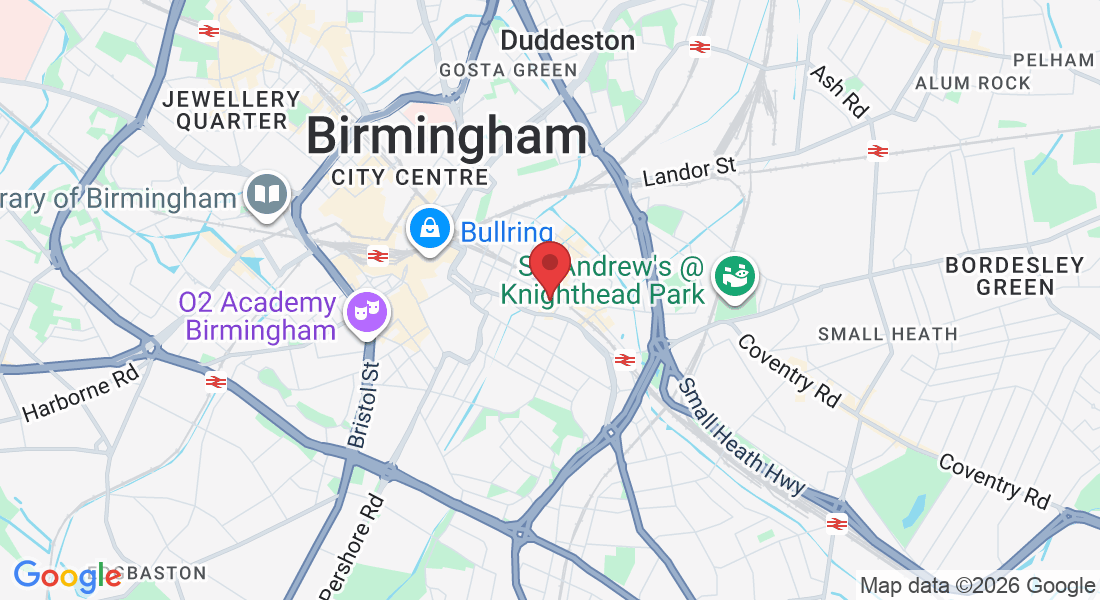
Clinic: Birmingham City Centre
Whatsapp us : 07549488860
Email: [email protected]
Site: www.uknailsurgeon.com